


This article shares toddler boy room ideas that combine safety, function, and creativity. It covers essential safety features, playful yet practical decor, and designs that grow with your child, helping you create a space that supports sleep, play, and independence while reflecting his unique personality.


Watching your little one transition from baby to toddler marks an exciting milestone in their development. This phase brings new opportunities to create a space that balances safety, functionality, and imagination. Designing a toddler boy room requires careful consideration of your child’s growing independence, safety needs, and evolving interests.
The challenge lies in creating a room that serves multiple purposes: a safe sleeping environment, an engaging play space, and a foundation for learning independence. With the right approach, you can transform any room into a haven that supports your toddler’s development while reflecting their unique personality.
This comprehensive guide will walk you through every aspect of designing the perfect toddler boy room, from essential safety elements to creative decor ideas that grow with your child. Whether you’re transitioning from a nursery or starting fresh, these ideas will help you create a space your little one will love.
Essential Elements for Toddler Boy Rooms
Foundation matters when designing spaces for active toddlers. Safety considerations should guide every decision, starting with the most critical elements that directly impact your child’s wellbeing.
Safety Features and Furniture Selection
Low floor beds represent the gold standard for toddler sleep safety. These beds minimise fall risks while supporting your child’s growing independence. Research shows that Montessori-inspired environments, which emphasise child-accessible furniture, help toddlers develop autonomy and motor skills more effectively than traditional setups.
Rounded furniture corners are non-negotiable in any toddler space. The Consumer Product Safety Commission (CPSC) emphasises that sharp edges pose significant injury risks for children under five. When shopping for furniture, prioritise pieces specifically designed for young children or add corner guards to existing pieces.

Image Credit: Flow Wall Storage Solutions
Age-Appropriate Storage Solutions
Smart storage goes beyond simple toy boxes. Implement storage systems that toddlers can see into and reach directly. Clear storage bins, open shelving at child height, and labeled containers promote both organisation and independence. According to child development experts, when storage is accessible, toddlers naturally develop tidying habits and decision-making skills.
Consider these storage essentials:
- Open shelving units no higher than 36 inches
- Clear bins for easy toy identification
- Soft-close hinges on any boxes to prevent finger injuries
- Hooks at toddler height for clothing and backpacks
Durable Flooring Options
Vinyl and laminate flooring have become the preferred choice for toddler rooms due to their resilience against spills, stains, and high-traffic wear. These materials offer water resistance and ease of cleaning while being softer underfoot than traditional hardwood or tile. Recent industry data shows that stone-plastic composite (SPC) and luxury vinyl tile continue gaining popularity in children’s spaces for their practical benefits.
Child-Height Fixtures and Independence Features
Every fixture in your toddler’s room should support their growing independence. Install light switches, coat hooks, and towel bars at heights your child can reach comfortably. Step stools provide access to slightly higher elements while teaching problem-solving skills.
Climate Control and Lighting
Maintain room temperatures between 65-70°F (18-21°C) as recommended by ASHRAE guidelines for optimal toddler sleep. Ceiling fans with integrated LED fixtures provide both climate control and energy-efficient lighting. Layer your lighting with ceiling fixtures for general illumination and table lamps for softer evening routines.
Popular colour Schemes and Themes
The right theme can transform an ordinary room into an adventure playground while supporting your child’s cognitive development. Current trends show parents moving toward flexible, adaptable designs that can evolve with changing interests.

Image Credit: Orren Pickell Building Group
Classic Nautical Themes
Blue and white nautical palettes remain timelessly popular for good reason. This colour scheme creates a calming environment while offering endless decor possibilities. Incorporate sailboat wall art, rope accents, and anchor motifs to create an oceanic adventure space. The psychology behind blue tones suggests they promote relaxation and peaceful sleep.
Adventure and Exploration Themes
Jungle motifs featuring bold greens, animal wall decals, and explorer maps capture toddlers’ natural curiosity about the world. These themes encourage imaginative play and storytelling, supporting language development and creativity. Add tent-style reading nooks or adventure gear storage to enhance the exploratory atmosphere.
Superhero Designs
Bold primary colours characterise superhero themes, which tap into toddlers’ desire for power and control over their environment. Use removable wall decals featuring favourite characters, allowing easy updates as interests change. Balance bold graphics with neutral base colours to prevent overstimulation.
Nature-Inspired Palettes
Forest greens, earth tones, and wood textures create biophilic designs that research suggests support relaxation and cognitive development. Nature themes can include forest animals, tree wall art, and natural material accents. This approach aligns with the growing movement toward bringing outdoor elements into children’s spaces.
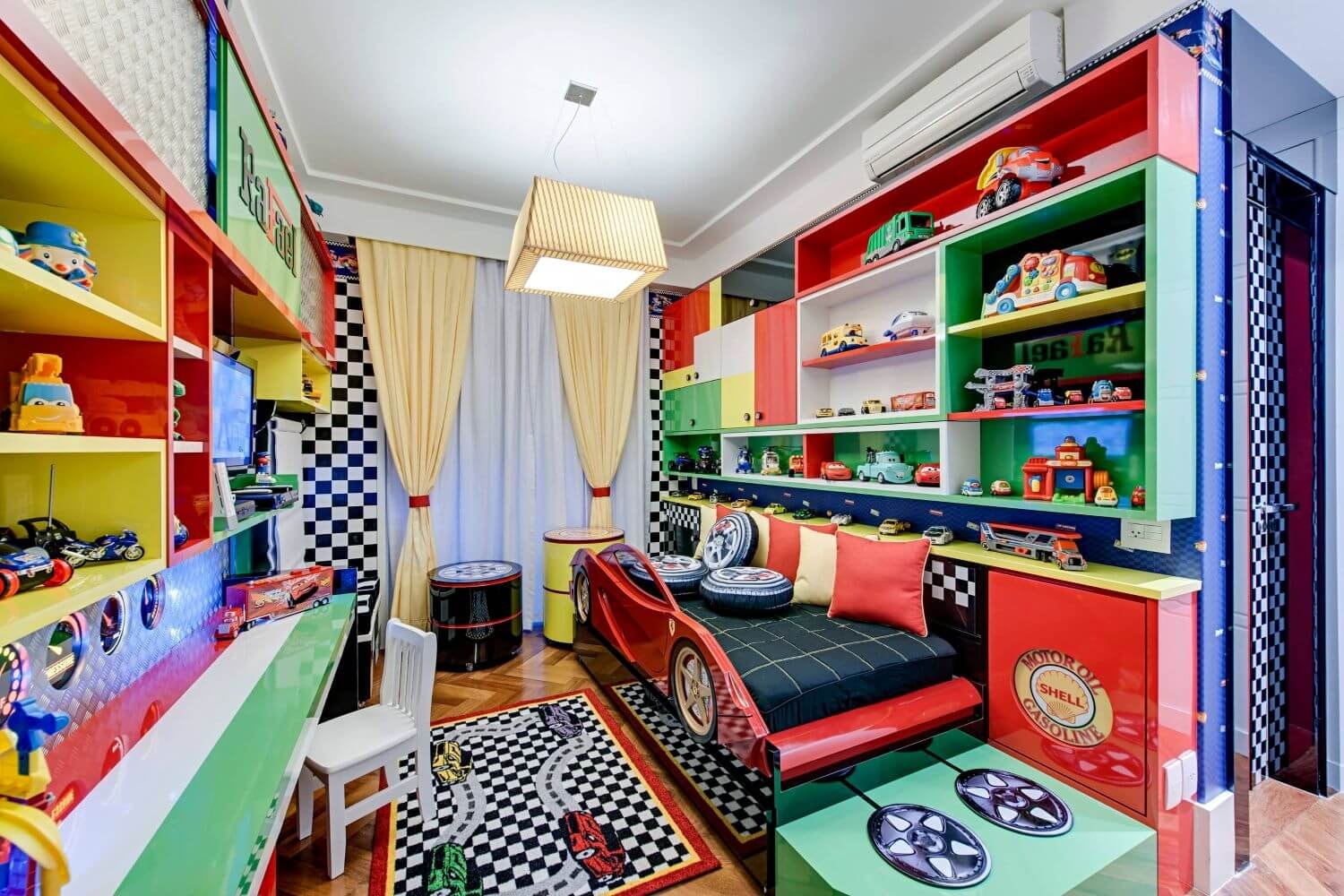
Image Credit: Andrea Bento
Transportation Themes
Cars, trucks, airplanes, and trains appeal to most toddler boys’ fascination with movement and mechanics. Use primary colours strategically – reds, blues, and yellows – to create energy without overwhelming the space. Transportation themes can seamlessly integrate educational elements like maps, traffic signs, and vehicle identification games.
Modern Monochrome with colour Pops
Black and white schemes with strategic colour accents offer sophisticated alternatives to traditional kids decor. This approach provides a neutral foundation that can adapt as your child grows, with colourful accessories adding personality and visual interest.
Smart Storage Solutions
Effective storage systems grow with your child while maintaining organisation and accessibility. The key lies in creating solutions that toddlers can use independently while keeping the room tidy and functional.
Under-Bed Storage Options
Maximise space efficiency with under-bed drawers designed for bulkier toys and seasonal clothing. These hidden storage areas keep items accessible but out of sight, maintaining the room’s clean appearance. Choose drawers with smooth-gliding mechanisms and safety stops to prevent complete removal.
Wall-Mounted organisation
Floating shelves and wall-mounted cubbies utilise vertical space effectively while keeping the floor clear for play. Install these storage solutions at varying heights – some within toddler reach and others for items requiring adult supervision. This approach creates visual interest while serving practical needs.
Multi-Functional Furniture
Storage ottomans serve triple duty as seating, play surfaces, and hidden storage. Built-in bench seating with compartments maximises space in smaller rooms while providing extra play seating for friends. These solutions are particularly valuable in urban settings where square footage is limited.
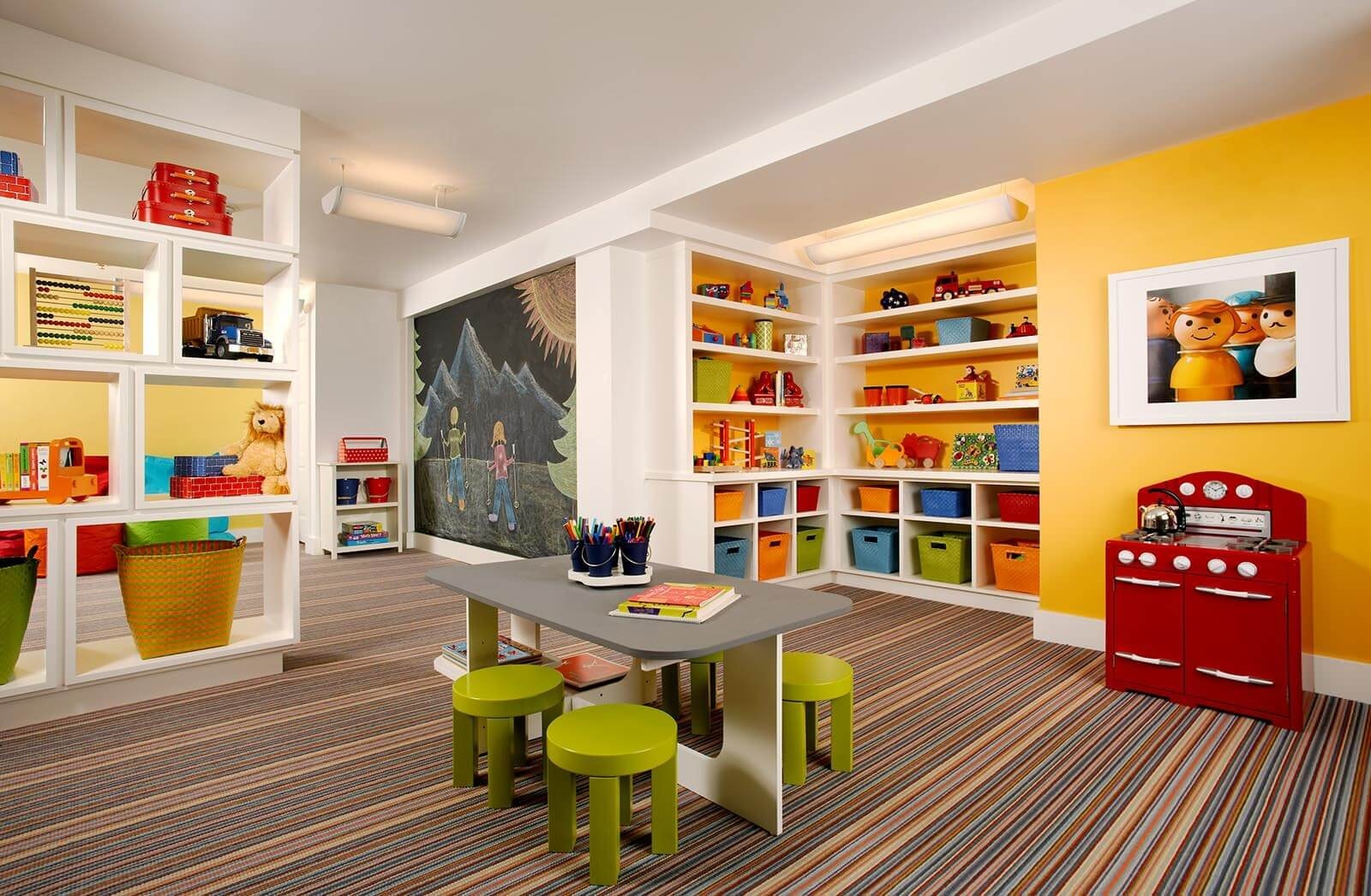
Image Credit: Poss Architecture
Accessible organisation Systems
- Clear storage bins allow children to see contents without opening containers
- Picture labels help pre-readers identify where items belong
- Open baskets encourage quick cleanup and easy access
- Modular systems adapt as storage needs change
Bed Options and Sleep Solutions
Choosing the right bed sets the stage for independent sleep habits while ensuring safety during the transition from crib to big-kid bed. This decision impacts both safety and your child’s confidence in their new sleeping arrangement.
Low Platform and Floor Beds
Floor beds and low platform options minimise fall risks while supporting independence. These beds allow toddlers to climb in and out safely without assistance, building confidence and autonomy. Safety rails can provide additional security during the initial transition period.
Themed Bed Frames
Race car beds, truck-shaped frames, and castle designs add excitement to bedtime while maintaining safety standards. When selecting themed beds, verify safety certifications and ensure the design doesn’t compromise structural integrity. These options can make the transition from crib more appealing for reluctant toddlers.
Convertible Solutions
Convertible cribs that transform into toddler beds offer excellent long-term value. Market data shows strong continued growth for these products among families seeking adaptable furniture solutions. These beds typically include conversion kits and safety rails, making the transition seamless.

Image Credit: Kate Jackson Design
Bunk Bed Considerations
While the American Academy of Pediatrics generally recommends bunk beds for children six and older, some low-profile models with secure rails are marketed for younger siblings. These require constant supervision and careful evaluation of your specific child’s climbing abilities and safety awareness.
Mattress Safety Standards
Ensure snug-fitting mattresses with firm construction to reduce suffocation risks. Avoid pillows and loose bedding for children under two, and gradually introduce age-appropriate bedding as your toddler develops.
Play Areas and Activity Zones
Designated play zones encourage focused activities and skill development while keeping the room organised. Creating specific areas for different types of play helps toddlers learn to manage their environment and develop concentration skills.
Reading Nooks and Literacy Corners
Combine low bookshelves, comfortable seating, and soft lighting to create inviting reading spaces. Bean bags or child-sized chairs positioned near books encourage independent exploration of literature. Studies show that dedicated reading areas significantly boost early literacy development when books are easily accessible.
Art and Creative Stations
Washable mats, accessible supply storage, and wall surfaces designed for creative expression support artistic development. Magnetic panels or chalkboard paint treatments provide outlets for doodling and learning. Position art supplies in clear, organised containers that toddlers can manage independently.
Building and Construction Zones
Foam interlocking mats create safe, comfortable building areas especially over hard flooring. Dedicate space for blocks, construction toys, and open-ended building materials. These zones support spatial reasoning, problem-solving, and fine motor development.
Pretend Play Corners
Toy kitchens, market stands, and workbenches respond to toddlers’ natural inclination toward role play. These activities support language development, social skills, and understanding of adult activities. Choose pretend play elements that encourage interaction and storytelling.
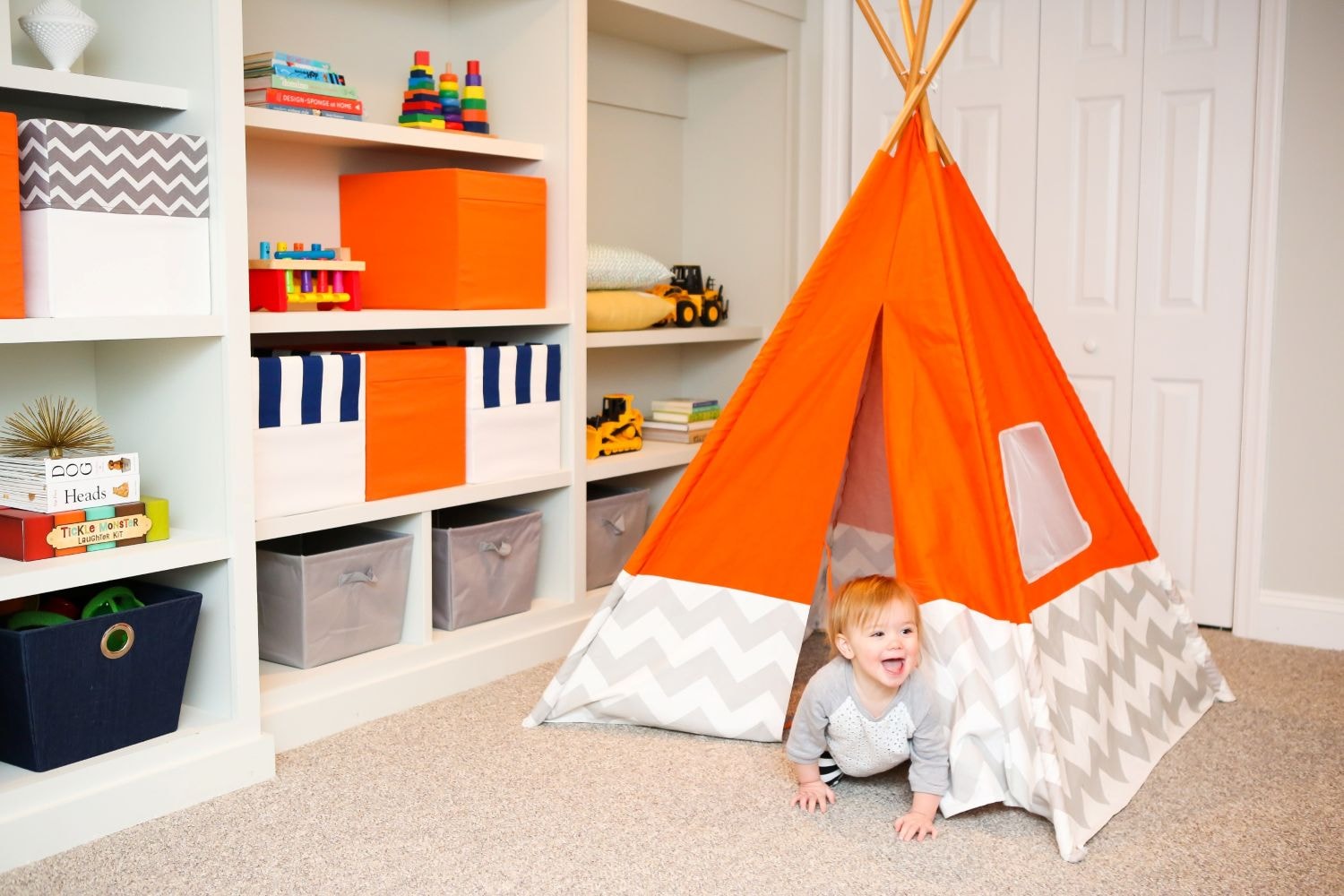
Image Credit: TRG Home Concepts
Active Play Elements
Indoor climbing structures like pikler triangles support gross motor development and physical confidence. These require adequate supervision and generous floor padding for safety. Consider your room size and ceiling height when selecting active play equipment.
Wall Decor and Personalisation
Personalisation creates emotional connections to the space while supporting identity development. The key lies in balancing permanent elements with easily changeable accents that can evolve with your child’s interests.
Removable Wall Decals and Graphics
Wall decals featuring favourite characters, animals, or patterns allow easy updating as interests change. This flexibility reduces renovation costs and time while keeping the room current with your toddler’s preferences. Choose high-quality decals that remove cleanly without damaging paint.
Gallery Walls and Art Displays
Create dedicated spaces for both child artwork and family photos. Rotating displays keep walls fresh while celebrating your toddler’s creative achievements. Use clip-style hangers or magnetic systems for easy updates.
Growth Charts and Milestone Tracking
Wall-mounted growth charts serve dual purposes as decoration and developmental tracking tools. Choose designs that complement your room theme while providing accurate measurement capabilities. Digital milestone displays can showcase photos and achievements over time.
Interactive Wall Elements
Chalkboard or magnetic paint treatments integrate interactive elements directly into room architecture. These surfaces provide outlets for creativity, learning, and magnetic play without requiring additional furniture or equipment.
Educational and Developmental Displays
ABC charts, number posters, and science facts support learning through environmental exposure. Position educational materials at eye level for optimal engagement and learning opportunities.
Lighting Ideas for Toddler Rooms
Proper lighting supports both daily activities and healthy sleep patterns while creating atmosphere and comfort. Layer different lighting types to address various needs throughout the day.
Overhead Lighting Solutions
Ceiling fans with integrated LED fixtures provide essential general lighting while supporting climate control. LED technology offers energy efficiency, low heat emission, and long lifespan – important considerations for children’s spaces. Smart bulb options allow dimming and colour adjustments for bedtime routines.

Image Credit: Space Coast Construction
Night Lights and Sleep Support
Soft ambient lighting addresses common toddler fears while providing safe navigation. Motion-activated options offer convenience without disrupting sleep patterns. Choose warm-toned lights that don’t interfere with natural melatonin production.
Task and Activity Lighting
Adjustable desk lamps support focused activities like drawing, puzzles, and eventually homework. Position these lights to prevent shadows and eye strain during detail-oriented tasks. Fun animal or vehicle-shaped lamps add personality while serving practical purposes.
Ambient and Decorative Lighting
String lights create a cosy atmosphere when properly installed for safety. These work particularly well in reading nooks or pretend play areas. Ensure all decorative lighting is UL-listed and installed according to manufacturer specifications.
Window Treatments for Light Control
Blackout curtains support quality sleep by reducing early morning light and urban ambient lighting. Light-filtering options provide privacy while maintaining natural light during play time. Consider cordless options for toddler safety.
Budget-Friendly DIY Projects
Creative DIY solutions allow personalisation while managing costs effectively. These projects often provide family bonding opportunities while creating unique elements tailored to your child’s specific interests.

Image Credit: Spot On Interior Design
Paint Projects and Wall Treatments
Painted accent walls using stencils and painter’s tape create dramatic impact at minimal cost. Use low-VOC, child-safe paints with washable finishes for easy maintenance. Geometric patterns, stripes, or simple murals can transform plain walls into focal points.
Furniture Makeovers and Repurposing
Transform thrift store finds with chalk paint and creative techniques. Convert dressers into changing tables, toy storage, or activity surfaces. Sand, prime, and paint existing furniture to match new room themes while extending usable life.
Storage Solutions from Everyday Items
Decorated cardboard boxes become attractive storage solutions for lightweight items. Upcycled crates work well for book storage or display shelving. These projects support sustainability goals while reducing costs.
Memory Boards and Display Systems
Create photo displays and milestone boards using cork panels, fabric, and ribbon. These systems can showcase artwork, family photos, and achievement certificates while remaining easy to update.
Textile Projects

Image Credit: Copper Gyer Design
Handmade curtains and throw pillows using novelty fabrics add personality without major investment. Simple sewing projects can create custom bedding, wall hangings, or decorative elements that perfectly match your chosen theme.
Transitioning from Nursery to Toddler Room
The transition from nursery to toddler room represents a significant milestone requiring sensitivity and planning. Research shows that gradual changes reduce anxiety while building excitement about growing up.
Planning the Transition Timeline
Data from parenting surveys indicates that 70% of parents begin transitioning nursery rooms between ages two and three. Start planning several weeks before making major changes, allowing time for your toddler to process and adjust to new concepts.
Gradual Implementation Strategies
Retain core comfort elements like favourite toys and blankets while incrementally introducing new furniture and decor. This approach maintains psychological security while building anticipation for new elements. Change one major element at a time to prevent overwhelming your child.
Repurposing Existing Elements
Converting changing tables into storage or activity surfaces extends furniture life while maintaining familiarity. Remove mobiles gradually, replacing them with age-appropriate ceiling decorations or wall art that maintains visual interest.
Supporting Independence Development
Add step stools, accessible hooks, and child-height storage to encourage self-sufficiency. These independence-promoting features help toddlers take initiative in dressing and organising their space, building confidence and life skills.
Managing the Emotional Aspects
Involve your toddler in age-appropriate decisions about colours, themes, or decor choices. This participation builds ownership and excitement while respecting their developing autonomy. Celebrate the transition as a positive milestone rather than focusing on what’s being left behind.
Creating the perfect toddler boy room requires balancing safety, functionality, and imagination while remaining flexible enough to evolve with your child’s growth. Start with essential safety elements and age-appropriate storage, then layer in personality through themes, colours, and personalised touches.
Remember that the best rooms grow with children, adapting to changing interests and developmental needs. Focus on creating a foundation that supports independence, learning, and creativity while maintaining the warmth and security every child needs.
Begin your room transformation by selecting one element to update – whether it’s adding child-height storage, creating a reading nook, or introducing a new theme. Small changes can make significant impacts on both function and enjoyment, setting the stage for years of happy memories in your little one’s special space.
If you enjoyed these ideas check out our Toddler Room Ideas


