


This article explores teen bedroom ideas that balance style, function, and personal expression. It covers essential furniture, trending colour schemes, smart storage, and budget-friendly updates, helping you create a versatile space that supports study, socialising, and relaxation while reflecting your teen’s evolving personality.


Your teenager’s bedroom isn’t just a place to sleep, it’s their personal sanctuary, study hall, social hub, and creative retreat all rolled into one. As teens navigate the complex transition from childhood to adulthood, their bedroom becomes a crucial space for expressing their evolving identity while meeting practical needs for homework, socialising, and rest.
Creating the perfect teenage bedroom requires balancing functionality with opportunities for self-expression, all while keeping future transitions in mind. Whether you’re working with a spacious room or a compact space, the right combination of thoughtful design elements can transform any bedroom into a space your teen will love spending time in.
This comprehensive guide will walk you through everything you need to know about teen bedroom design, from essential furniture pieces to trending colour schemes, storage solutions that actually work, and budget-friendly updates that make a big impact.
Essential Elements for Teen Bedroom Design
The foundation of any successful teen bedroom starts with choosing the right essential elements that can grow with your teenager’s changing needs and tastes.
Choose Multifunctional Furniture for Maximum Impact
Smart furniture choices can make or break a teen bedroom design. Multifunctional pieces serve double duty, maximising both style and utility in often limited floor space. Storage beds with built-in drawers underneath provide essential organisation while maintaining a clean aesthetic. These beds eliminate the need for separate storage units, freeing up valuable room for other activities.
Desk-nightstand combinations create dedicated study zones without overwhelming smaller rooms. According to recent market research, approximately 68% of parents now invest in furniture that can adapt as their child transitions from adolescence to young adulthood, citing extended usability and sustainability as key benefits.

Image Credit: Christopher Burns Interiors
Consider pieces that can transition seamlessly from teen years into college and beyond. A sleek modern desk will serve just as well in a dorm room as it does at home, while a quality upholstered chair can move from homework sessions to a first flat.
Incorporate Personal Expression Through Changeable Elements
Teenagers crave the ability to express their personality and interests through their space. However, their preferences can shift rapidly, research shows that 43% of teens want to change their room’s look at least annually. The key is creating opportunities for personalisation that don’t require major renovations.
Removable wall decals offer an easy way to add visual interest without permanent commitment. Photo displays using wire grids or magnetic boards allow teens to showcase friendships, achievements, and memories while keeping the arrangement flexible. These displays serve as both decoration and mood boosters, highlighting important relationships and experiences.
Poster frames with easy-change mechanisms let teens update their wall art as their interests evolve. This approach satisfies their need for self-expression while protecting wall surfaces and maintaining a more polished appearance.
Select Furniture That Transitions Through Life Stages
The most successful teen bedroom furniture investments are pieces that can adapt and remain relevant as your teenager matures. Instead of themed or character-specific items, focus on timeless designs with quality construction.
A solid wood dresser with clean lines will work just as well in a college dorm or first flat as it does in a teenage bedroom. Similarly, a well-made desk with adjustable features can support everything from high school homework to professional work-from-home needs.
Choose neutral furniture frames and add personality through easily replaceable elements like bedding, pillows, and accessories. This strategy allows for frequent style updates without major expenses.
Balance Style with Multi-Zone Functionality
Modern teen bedrooms need to accommodate multiple activities within a single space. Your teenager’s room must function as a bedroom for rest, an office for homework and digital learning, and a social space for hanging out with friends.
Create distinct zones within the room using furniture placement, lighting, and accessories. A cosy reading nook with soft cushions and good lighting provides a quiet retreat, while an open floor area with cushions or bean bags becomes perfect for socialising.
With digital learning showing a 45% increase in at-home study hours since 2020, according to Pew Research Centre data, ensuring adequate workspace is more critical than ever.
Include Adequate Lighting for Every Activity
Lighting plays a crucial role in both functionality and mood setting. A layered lighting approach works best, combining ambient ceiling fixtures, task lighting for specific activities, and accent lighting for atmosphere.
Adjustable lighting controls allow teens to customise their environment for different activities, bright light for studying, softer light for relaxing, and fun accent lighting for socialising. LED options are particularly popular for their energy efficiency and the ability to change colours, with teen-focused smart lighting sales growing 21% between 2022 and 2024.
Colour Schemes That Work for Teen Rooms
Colour choice significantly impacts both the room’s aesthetic appeal and its psychological effect on your teenager. The right colour scheme can create a calming environment that supports both rest and productivity while reflecting personal style.

Image Credit: Erica Peale Design
Mix Soft Pastels for Contemporary Appeal
Blush pink paired with sage green creates a sophisticated yet youthful combination that works beautifully in teen spaces. This trending palette offers the perfect balance between softness and fashion-forward sensibility. The colours complement each other naturally while providing enough contrast to create visual interest.
Pastels generate a soothing atmosphere, which research links to improved emotional regulation, particularly important given that teens typically experience higher stress levels than adults. These gentle hues create a calming backdrop that supports both sleep and study activities.
Consider incorporating these pastels through bedding, accent walls, or accessories rather than painting the entire room. This approach allows for easier updates as preferences change over time.
Try Bold Contrasts for Sophisticated Style
For teens seeking a more grown-up aesthetic, dramatic colour combinations like navy blue walls with metallic gold accents create stunning visual impact. This approach allows for bold expression while maintaining sophistication that won’t feel childish as your teen matures.
Navy blue provides a rich, calming backdrop that works well for both day and night activities. When paired with warm gold accents through lighting fixtures, picture frames, or decorative objects, the combination feels both luxurious and youthful.
The beauty of this colour strategy lies in its adaptability, metallic accents can easily be swapped out to refresh the look without requiring a complete room makeover.
Use Neutral Bases with Colourful Accents
White, grey, and beige foundations provide the ultimate flexibility for teen bedroom design. These neutral bases create a clean, timeless backdrop that allows colourful accessories to take centre stage. This strategy proves both economical and sustainable, as teens can update their space simply by swapping out pillows, artwork, and textiles.

Image Credit: Oliver Burns Studio
Neutral walls also help smaller rooms feel more spacious and bright, while providing a sophisticated foundation that will remain appropriate as your teen ages. The key is choosing warm neutrals rather than stark whites, which can feel cold and institutional.
Experiment with Monochromatic Schemes
Using varying shades of a single colour creates visual unity while maintaining dynamic interest. A monochromatic blue scheme, for example, might include everything from pale powder blue to deep navy, creating depth and sophistication.
This approach works particularly well for teens who gravitate toward specific colours but want to avoid overwhelming their space. Monochromatic schemes also photograph beautifully, which appeals to social media-savvy teenagers who enjoy sharing their spaces online.
Texture becomes especially important in monochromatic rooms. Mix materials like smooth cotton, chunky knits, and sleek metallics to add visual interest within the single colour family.
Consider Timeless Black and White with Colour Pops
Classic black and white combinations provide a sophisticated foundation that never goes out of style. This high-contrast approach creates visual drama while remaining gender-neutral and adaptable to changing preferences.
The magic happens when you add carefully chosen pops of bright colour through artwork, bedding, or accessories. These accent colours can be easily changed seasonally or as interests evolve, making this one of the most flexible colour strategies for teen rooms.
Black and white schemes also work beautifully with various design styles, from modern minimalist to bohemian chic, giving your teen room to experiment with different aesthetics over time.
Storage Solutions for Teen Bedrooms
Effective storage is perhaps the most critical element in teen bedroom design. Teenagers accumulate belongings rapidly, sports equipment, electronics, clothing, books, and hobby supplies all compete for space. Well-planned storage solutions support independence and organisation skills that will benefit them throughout life.
Install Floating Shelves for Display and Organisation
Floating shelves maximise vertical wall space without consuming precious floor area. These versatile storage solutions work perfectly for displaying books, collectibles, plants, and decorative items while keeping surfaces clutter-free.
Install shelves at varying heights to create visual interest and accommodate different sized objects. Consider incorporating LED strip lighting behind or under shelves to highlight displayed items and add ambient lighting to the room.
The key to successful shelf styling is balancing functional storage with decorative display. Mix books with small plants, framed photos, and meaningful objects to create curated vignettes that reflect your teen’s personality.
Use Under-Bed Storage for Seasonal Items
The space beneath the bed represents valuable real estate that often goes unused. Under-bed storage boxes provide ideal solutions for items used less frequently, such as seasonal clothing, extra bedding, or sports equipment that’s only needed during specific times of the year.
Choose storage boxes with wheels for easy access, or opt for vacuum-sealed bags for soft items like comforters and winter clothes. Clear containers allow easy identification of contents, while labelled boxes create a more organised system.
Captain’s beds with built-in drawers eliminate the need for separate under-bed storage while providing a more streamlined appearance. These beds have become increasingly popular, with furniture industry data showing a 32% increase in multi-functional youth furniture production between 2018 and 2023.
Add Over-the-Door Organisers for Small Items
Door-mounted organisers make excellent use of otherwise wasted space while keeping frequently used small items easily accessible. These solutions work particularly well for jewellery, hair accessories, electronics, and school supplies.
Choose organisers with clear pockets for easy visibility, or opt for mesh designs that allow air circulation for items like sports gear or shoes. Over-the-door shoe organisers can be repurposed creatively to hold everything from art supplies to electronic devices and their charging cables.
The beauty of over-the-door storage lies in its temporary nature, these organisers can be easily removed or relocated without damaging walls or doors, making them perfect for rental situations or dorm rooms.

Image Credit: Organized Living
Include Comprehensive Wardrobe Organisation
A well-organised wardrobe system makes daily routines smoother while teaching valuable life skills. Effective wardrobe storage should include both hanging space for different garment lengths and drawer or shelf space for folded items.
Double hanging rods maximise vertical space for shorter items like shirts and trousers, while a single rod accommodates longer pieces like dresses and coats. Adjustable shelving allows the system to adapt as clothing needs change.
Consider adding specialised organisers for accessories, small drawers for jewellery, hooks for belts and bags, and dedicated spaces for shoes. These details make a significant difference in maintaining organisation over time.
Use Storage Ottomans for Dual-Purpose Seating
Storage ottomans provide hidden storage while offering flexible seating for social gatherings. These pieces work particularly well at the foot of the bed or in a conversation area, providing a convenient spot to store extra blankets, games, or seasonal items.
Choose ottomans with removable tops for easy access, and consider options with wheels for mobility. Some designs include internal dividers to keep stored items organised and prevent smaller objects from becoming lost in larger spaces.
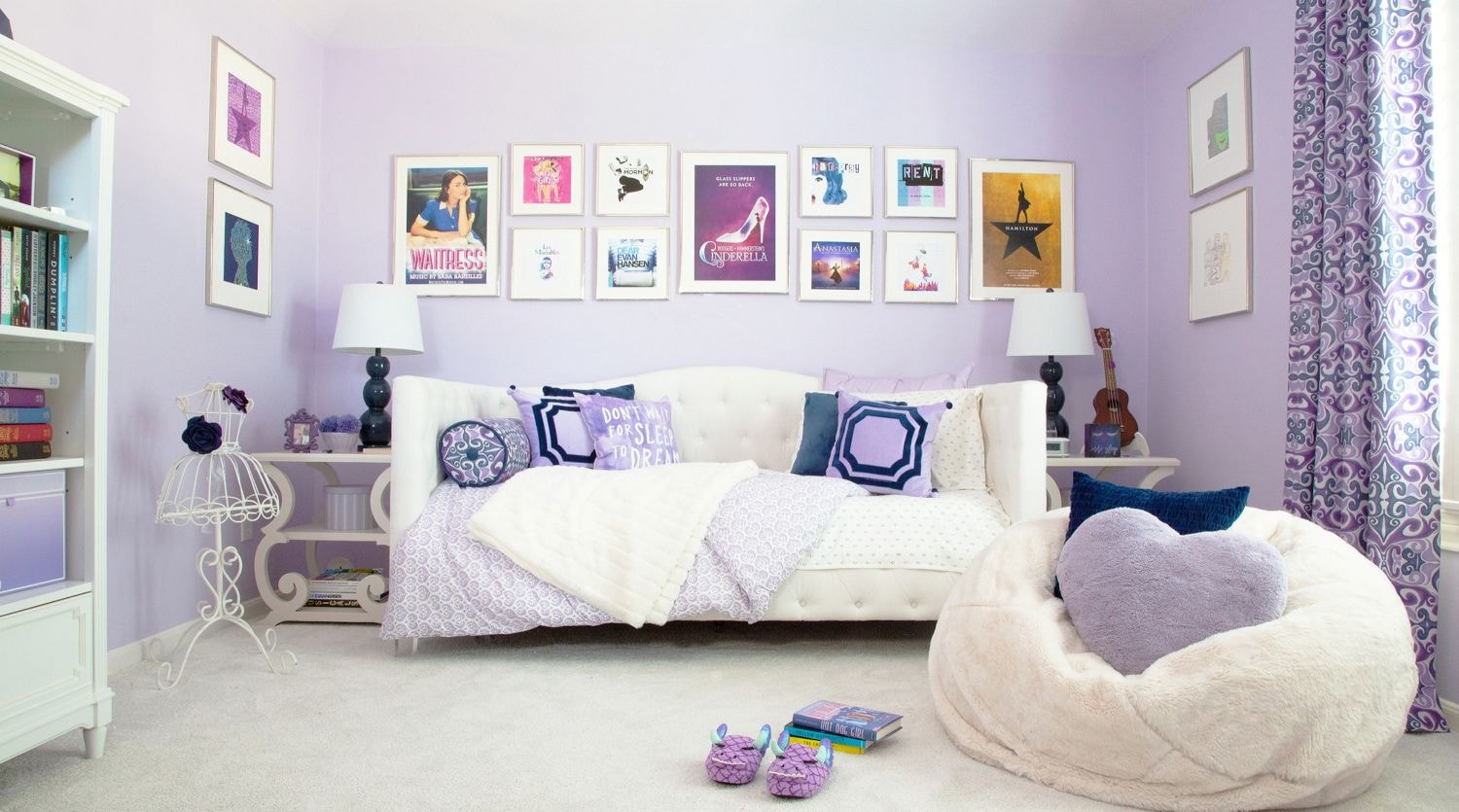
Image Credit: Marker Girl Home
The dual functionality of storage ottomans makes them especially valuable in smaller rooms where every piece of furniture must work harder to maximise both comfort and organisation.
Creating Functional Study Areas
Academic success often correlates directly with having a well-designed study space. With teens spending more time on homework and digital learning than ever before, creating an effective study area within the bedroom has become essential.
Position Desks Near Windows for Natural Light
Natural daylight significantly impacts concentration, mood, and overall well-being. Positioning a desk near a window maximises exposure to natural light during day hours, which educational psychologists recommend for enhanced focus and reduced eye strain.
When window placement isn’t possible, ensure the study area has the best available natural light in the room. Avoid positioning desks in dark corners or areas that require artificial lighting during daytime hours.
Consider the direction the window faces when planning desk placement. North-facing windows provide consistent, gentle light throughout the day, while south-facing windows may require blinds or curtains to control intense afternoon sun.
Include Adjustable Task Lighting
Even with good natural light, dedicated task lighting remains essential for evening study sessions and detailed work. LED desk lamps offer excellent illumination while generating minimal heat, making them comfortable for extended use.
Adjustable lighting allows teens to customise illumination based on specific tasks. Bright, focused light works best for reading and detailed homework, while softer lighting reduces eye strain during computer work.
Consider clip-on lamps that can be repositioned as needed, or choose desk lamps with multiple brightness settings and colour temperature options. These features provide flexibility for different subjects and times of day.

Image Credit: MASHstudios
Use Wall-Mounted Desks in Small Rooms
When floor space is limited, wall-mounted desks provide an essential work surface without overwhelming the room. These space-saving solutions can be installed at the perfect height for your teen and folded away when not in use.
Choose wall-mounted desks with built-in storage cubbies or small drawers to keep supplies organised and accessible. Some designs include integrated charging stations for electronics, addressing the modern need for device management.
Ensure wall-mounted desks are properly supported and installed according to manufacturer specifications. The desk should feel stable and secure during use to promote confidence and focus during study sessions.
Add Organisation Tools for Assignment Tracking
Visual organisation tools help teens manage their increasing academic responsibilities. Bulletin boards, magnetic boards, or peg walls provide dedicated spaces for assignment tracking, study schedules, and personal inspiration.
Cork boards offer traditional functionality for posting important papers and reminders, while magnetic boards work well for metal clips and magnetic accessories. Peg walls provide three-dimensional storage for supplies and small containers.
Consider creating a command centre that includes a calendar, assignment tracker, and space for important documents. This centralised system helps teens develop executive function skills that will serve them throughout their academic and professional careers.
Ensure Comfortable, Ergonomic Seating
Proper seating directly impacts both comfort and health during extended study sessions. Ergonomic chairs support proper posture while reducing strain on the back, neck, and shoulders.
Look for chairs with adjustable height settings that allow feet to rest flat on the floor with thighs parallel to the ground. Lumbar support helps maintain the natural curve of the spine, while adjustable armrests reduce shoulder tension.
Consider the chair’s mobility and size relative to the desk and room. Chairs with wheels provide easy movement, while stationary chairs might work better in very small spaces where rolling could become problematic.
Lighting Ideas for Teen Spaces
Lighting serves both functional and aesthetic purposes in teen bedrooms, creating the right atmosphere for everything from focused studying to relaxed socialising. The key lies in layering different types of lighting to accommodate various activities and moods.
Layer Different Lighting Types for Versatility
Successful teen bedroom lighting combines three distinct types: ambient, task, and accent lighting. Ambient lighting provides overall illumination through ceiling fixtures, creating a comfortable base level of brightness throughout the room.
Task lighting focuses on specific activities like reading, studying, or getting ready. Table lamps, desk lamps, and bedside reading lights fall into this category, providing bright, focused illumination where needed most.
Accent lighting adds personality and atmosphere through decorative fixtures, LED strips, or string lights. This layer allows teens to customise their room’s mood and create Instagram-worthy ambiance for social media or entertaining friends.

Image Credit: Meg Miller Art/Design
String Fairy Lights for Magical Ambiance
Fairy lights have become synonymous with teen bedroom design, and for good reason. These versatile lighting elements create instant warmth and magic while being incredibly affordable and easy to install.
Drape string lights around windows to create a soft, romantic glow that frames the view outside. Weave them through headboards or around mirrors to add sparkle and visual interest to key focal points.
Choose warm white LED string lights for a cosy feel, or opt for colour-changing versions that allow mood customisation. Battery-operated options provide placement flexibility without worrying about outlet locations.
Install LED Strip Lights for Modern Appeal
LED strip lights offer a contemporary lighting solution that appeals strongly to tech-savvy teens. These flexible strips can be installed behind furniture, under shelves, or along architectural features to create stunning visual effects.
Behind-the-bed lighting creates a floating effect that adds drama while providing gentle ambient light perfect for winding down in the evening. Under-shelf installation highlights displayed items while adding functional task lighting.
Choose LED strips with smartphone app control for the ultimate in customisation. Teens can adjust colours, brightness, and even sync lights to music, creating a personalised light show that reflects their mood and personality.
Use Floor Lamps for Ambient and Task Lighting
Floor lamps provide excellent lighting solutions without requiring permanent installation or electrical work. Torchiere floor lamps bounce light off the ceiling to create even, ambient illumination throughout the room.
Reading floor lamps with adjustable heads provide focused task lighting while taking up minimal floor space. Many designs include both upward and downward lighting options, offering maximum versatility in a single fixture.
Consider floor lamps with built-in storage or charging stations to maximise functionality. Some designs include shelves for books or small items, while others incorporate USB ports for device charging.
Add Statement Chandeliers or Pendant Lights
Statement lighting fixtures serve as room focal points while providing essential illumination. Modern chandeliers designed for teen spaces often feature contemporary materials like acrylic, metal, or natural fibres rather than traditional crystal.
Pendant lights work particularly well over seating areas or desks, providing focused lighting while making a style statement. Choose fixtures that complement the room’s overall aesthetic while adding personality and visual interest.
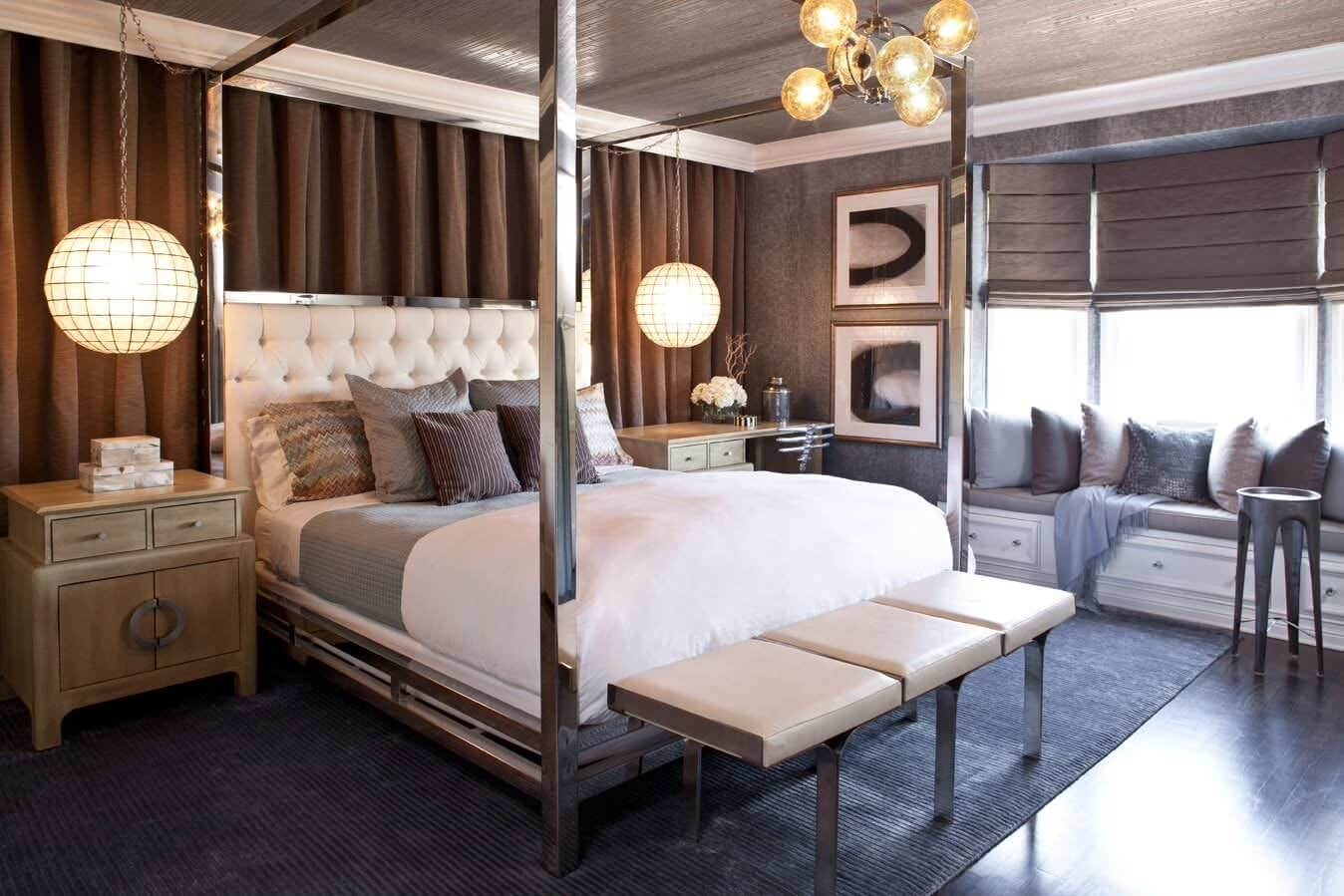
Image Credit: Elizabeth Gordon
Consider the room’s ceiling height and proportions when selecting statement fixtures. Oversized pieces can overwhelm small spaces, while tiny fixtures may get lost in larger rooms.
Popular Teen Bedroom Themes
Theme-based design helps create cohesive, intentional spaces that reflect teen personalities and interests. The most successful themes balance trendiness with longevity, ensuring the room won’t feel outdated as your teen matures.
Boho-Chic Style for Creative Spirits
Boho-chic design celebrates creativity, individuality, and global influences through layered textures, mixed patterns, and collected treasures. This style particularly appeals to artistic teens who value self-expression and nonconformist aesthetics.
Layer Textures and Patterns with Confidence
Macrame wall hangings add handcrafted texture while creating focal points that don’t require permanent wall changes. Woven baskets provide both storage and visual interest, while mixed textile patterns on bedding, pillows, and throws create rich, layered looks.
The key to successful pattern mixing lies in maintaining a consistent colour palette while varying scale and style. Combine large-scale florals with geometric patterns and solid textures to create visual harmony within the eclectic mix.
Natural materials like rattan, jute, and wood add warmth and authenticity to boho spaces. These elements connect the room to nature while providing sustainable, durable options that improve with age.
Use Warm Earth Tones with Jewel Accents
Boho colour palettes typically start with warm, earthy neutrals like terracotta, sand, and cream, then add richness through jewel tone accents in emerald, sapphire, or amethyst. This combination creates depth and sophistication while maintaining the style’s relaxed, worldly feel.
Incorporate jewel tones through smaller accessories that can be easily changed, pillows, artwork, plants, or decorative objects. This approach allows for seasonal updates or evolution of colour preferences without major investments.
Metallic accents in brass or copper add warmth and complement the earthy palette beautifully. Consider vintage-style mirrors, picture frames, or decorative objects to enhance the collected-over-time aesthetic.

Image Credit: Tiffany Brooks Interiors
Include Plants for Natural Elements
Living plants bring life, colour, and air-purifying benefits to boho teen bedrooms. Hanging plants in macrame holders maximise growing space while adding vertical interest and natural movement.
Choose low-maintenance plants like pothos, snake plants, or succulents that can thrive in typical indoor conditions. These varieties forgive occasional neglect while providing the natural elements essential to authentic boho style.
Plant displays can include a mix of hanging, tabletop, and floor arrangements to create a garden-like atmosphere. Vintage or handmade planters add to the collected aesthetic while supporting the sustainable values many teens embrace.
Modern Minimalist for Clean Aesthetics
Minimalist design appeals to teens who prefer clean, uncluttered environments that support focus and calm. This style emphasises quality over quantity, with each piece serving both functional and aesthetic purposes.
Focus on Clean Lines and Simple Forms
Modern minimalist furniture features simple geometric shapes without ornate details or decorative elements. Platform beds, sleek desks, and streamlined dressers create cohesive looks that feel sophisticated and mature.
Choose furniture in consistent materials and finishes to maintain visual harmony. White lacquer, pale woods, or matte metals work particularly well for creating the clean aesthetic that defines minimalist style.
The beauty of minimalist design lies in its restraint, each piece should earn its place through both function and form. This approach teaches valuable lessons about thoughtful consumption and appreciation for quality design.
Use White, Grey, and Pale Wood Tones
Minimalist colour palettes rely on subtle variations within neutral families rather than bold contrasts. Warm white walls provide a clean backdrop, while pale grey accents add depth without overwhelming the space.
Natural wood tones in oak, birch, or maple bring warmth to potentially stark colour schemes. These organic elements prevent minimalist spaces from feeling cold or institutional while maintaining the style’s clean aesthetic.
Texture becomes crucial in monochromatic minimalist spaces. Mix smooth and rough surfaces, matte and glossy finishes, and hard and soft materials to create visual interest within the restrained colour palette.
Maintain Clutter-Free Surfaces
The success of minimalist design depends on disciplined organisation and thoughtful curation. Surfaces should remain largely clear, with only essential or beautiful items on display.
Hidden storage solutions become essential for maintaining clean lines while accommodating teen belongings. Built-in wardrobes, under-bed storage, and furniture with concealed compartments help achieve the uncluttered aesthetic.
Regular decluttering becomes part of the lifestyle, teaching teens to evaluate possessions thoughtfully and maintain organised systems. This skill serves them well as they transition to college and adult living situations.
Cottagecore Aesthetic for Cosy Comfort
Cottagecore design romanticises rural life through vintage-inspired elements, natural materials, and cosy textures. This style appeals to teens seeking comfort, escapism, and connection to simpler times.

Image Credit: Redhead Design
Use Floral Patterns and Vintage Elements
Floral wallpaper, whether traditional or modern interpretations, creates the foundation for authentic cottagecore style. Choose patterns that feel timeless rather than trendy to ensure longevity as your teen matures.
Vintage or vintage-inspired furniture pieces add authenticity and character to cottagecore rooms. Painted wood furniture, particularly in soft pastels or cream, creates the lived-in, inherited feel central to this aesthetic.
Antique accessories like vintage books, old-fashioned trinkets, and repurposed items tell stories and create conversation pieces. Charity shop finds and family heirlooms work particularly well for achieving this collected-over-time look.
Include Soft Textiles in Gentle Colours
Cottagecore textiles emphasise comfort and cosiness through soft, natural materials in gentle colours. Cream, sage green, and dusty pink create the palette foundation, with floral patterns adding visual interest.
Layer different textures through quilts, knitted throws, and linen pillows to create inviting spaces perfect for reading or relaxing. The abundance of soft textiles makes the room feel like a cosy retreat from the outside world.
Natural fibre textiles like cotton, linen, and wool align with cottagecore values of simplicity and connection to natural materials. These choices also tend to be more sustainable and improve with age and washing.
Create Cosy Reading Nooks
Reading nooks represent the heart of cottagecore bedroom design, providing dedicated spaces for the quiet, contemplative activities this style celebrates. Window seats with soft cushions and good natural light create ideal reading retreats.
If window seats aren’t possible, create cosy corners using comfortable chairs, ottomans, and soft lighting. Add small side tables for books, tea cups, and personal treasures to complete the experience.
Good lighting becomes essential for reading nooks. Combine natural window light with soft table lamps or string lights to create the perfect ambiance for escaping into favourite books.
Space-Saving Solutions for Small Teen Rooms
Small bedrooms present unique challenges but also opportunities for creative solutions. With average teen bedroom sizes decreasing in many new constructions, maximising every square foot becomes essential for creating functional, comfortable spaces.

Image Credit: Lamperti Construction, Inc.
Install Loft Beds for Vertical Space Usage
Loft beds represent one of the most effective space-saving solutions for small teen bedrooms. By elevating the sleeping area, these beds free up valuable floor space underneath for desks, seating areas, or additional storage.
Choose loft beds with built-in desks or storage to maximise the efficiency of the elevated design. Some models include entire workstations underneath, creating dedicated study zones without sacrificing floor space elsewhere in the room.
Safety considerations become paramount with loft beds. Ensure proper installation, adequate ceiling height, and sturdy construction. Many teens initially resist loft beds but quickly appreciate the additional space and privacy they provide.
Use Vertical Wall Space Strategically
When floor space is limited, walls become valuable real estate for storage and display. Tall bookcases that extend to the ceiling maximise storage capacity while drawing the eye upward to make rooms feel larger.
Wall-mounted storage solutions include floating shelves, pegboards, and hanging organisers that keep belongings accessible without consuming floor space. These systems can be customised to accommodate specific storage needs and changed as requirements evolve.
Consider the visual weight of wall-mounted storage to avoid overwhelming small spaces. Mix open and closed storage, and maintain some visual breathing room to prevent walls from feeling cluttered.
Choose Furniture with Built-in Storage
Multi-functional furniture becomes essential in small spaces where every piece must work harder. Beds with built-in drawers provide significant storage without requiring additional floor space for separate dressers or storage units.
Storage benches at the foot of the bed offer seating while hiding bedding, seasonal clothing, or other items. These pieces work particularly well in small rooms where every surface must serve multiple purposes.
Desks with built-in filing systems or storage cubbies keep school supplies organised while maintaining clean work surfaces. Look for designs that include cable management systems to keep electronic devices and chargers tidy.
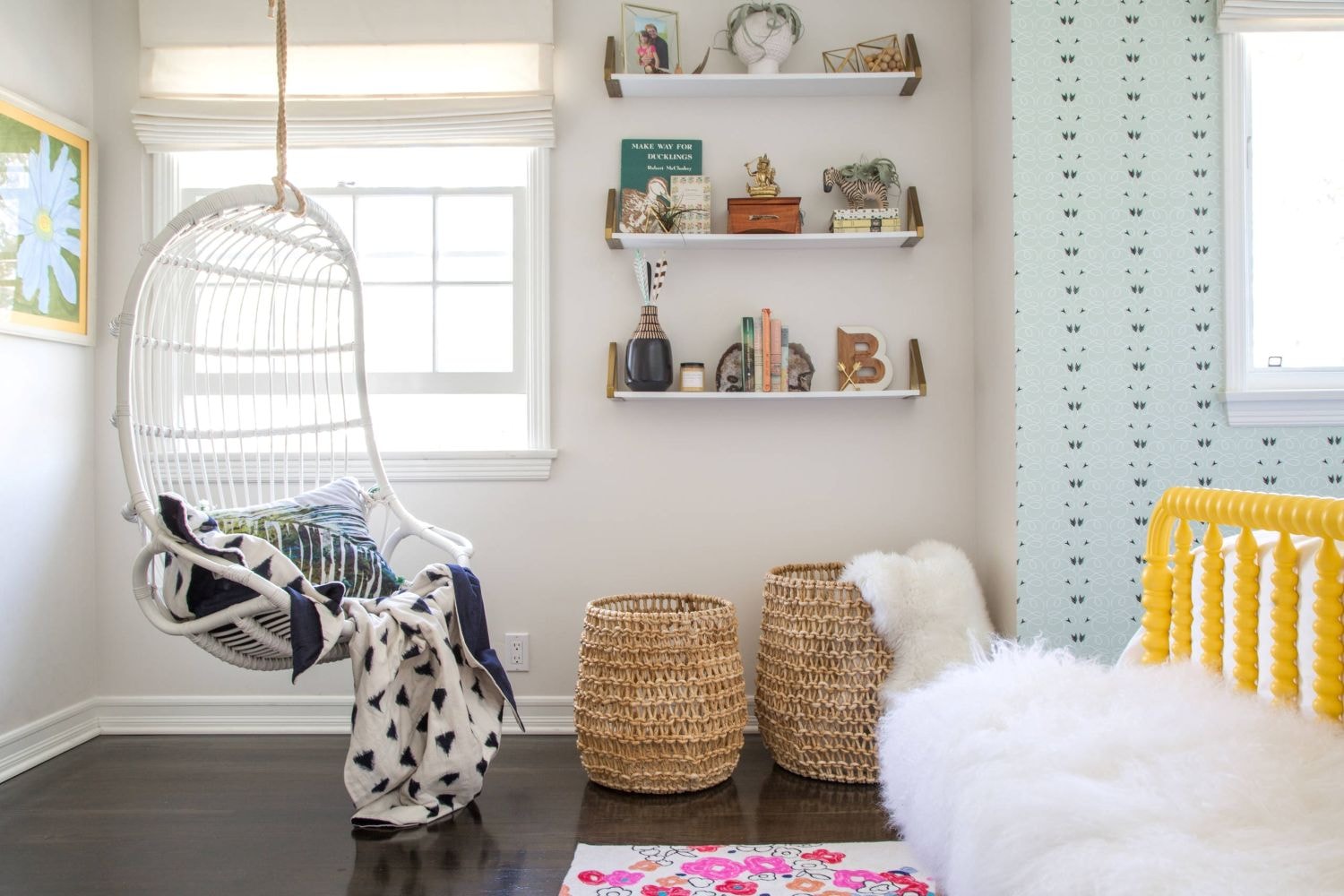
Image Credit: Murphy Deesign
Add Hanging Chairs for Comfort Without Footprint
Hanging chairs and swings provide comfortable seating without consuming precious floor space. These pieces can be suspended from ceiling mounts or freestanding frames, depending on room configuration and ceiling structure.
Hanging chairs work particularly well near windows where they can take advantage of natural light and views. Add soft cushions and throws to make these spots extra inviting for reading or relaxing.
Consider the room’s traffic flow when positioning hanging chairs to ensure they don’t interfere with daily activities or door operation. Some designs can be easily removed when not needed, providing maximum flexibility.
Use Mirrors to Expand Visual Space
Strategically placed mirrors can dramatically improve the sense of space in small teen bedrooms. Large mirrors reflect light and create the illusion of expanded square footage, making rooms feel more open and airy.
Position mirrors opposite windows to maximise natural light reflection throughout the room. This technique not only brightens the space but also provides additional views of outdoor scenery.
Multiple smaller mirrors can create interesting gallery walls while still providing the space-expanding benefits of reflective surfaces. Mix different sizes and frames to add personality while maintaining the functional benefits.
Budget-Friendly Teen Bedroom Updates
Creating a stylish teen bedroom doesn’t require a massive budget. Strategic updates using affordable materials and DIY projects can transform spaces while building valuable skills and allowing for frequent changes as tastes evolve.
Update Bedding and Pillows for Instant Impact
Bedding changes represent one of the quickest and most affordable ways to refresh a teen bedroom’s look. New comforters, sheets, and pillow covers can completely alter a room’s colour scheme and style for a fraction of furniture replacement costs.
Choose bedding in trending colours or patterns to give the room an updated feel. Mix different textures and patterns within a cohesive colour palette to create sophisticated, layered looks that appear more expensive than they actually are.
Seasonal bedding updates allow teens to refresh their space regularly while staying within budget. Lighter colours and fabrics for spring and summer, warmer tones and textures for autumn and winter keep the room feeling current year-round.
Create DIY Wall Art for Personal Expression
DIY wall art projects provide opportunities for personal expression while keeping decoration costs minimal. Canvas paintings, photo collages, and mixed-media projects reflect individual creativity while filling wall space with meaningful pieces.
Simple techniques like abstract painting, inspirational quote graphics, or photography displays can create professional-looking results with basic supplies. Online tutorials provide step-by-step guidance for teens wanting to try new artistic techniques.
Gallery walls using a mix of personal artwork, family photos, and meaningful prints create dynamic focal points without expensive custom pieces. Charity shop frames painted in coordinating colours unify diverse artwork while maintaining budget consciousness.
Repurpose Furniture with Paint and Paper
Furniture makeovers offer dramatic transformations for minimal investment. Paint can completely change the look of existing pieces, while contact paper provides temporary updates that can be easily changed later.
Chalk paint requires minimal preparation and provides excellent coverage for furniture updates. This user-friendly option allows teens to participate in the makeover process while learning valuable skills.
Contact paper in wood grain, marble, or solid colours can transform desk surfaces, dresser tops, or wardrobe interiors without permanent changes. This technique works particularly well for rental situations where permanent modifications aren’t allowed.
Shop Thrift Stores for Unique Vintage Pieces
Thrift shopping aligns with both budget consciousness and environmental sustainability values many teens embrace. Vintage furniture pieces often feature better construction than modern budget alternatives while providing unique character.
Look for solid wood pieces that can be refreshed with paint or new hardware. Mid-century modern pieces often work beautifully in contemporary teen rooms while providing lasting quality and timeless style.
Vintage accessories like mirrors, lamps, and decorative objects add personality and story to teen rooms. These unique finds ensure rooms won’t look like everyone else’s while staying within reasonable budgets.
Use Removable Wallpaper for Temporary Changes
Removable wallpaper and wall decals provide dramatic wall updates without permanent commitment or potential security deposit loss in rental situations. These products have improved significantly in quality while remaining affordable.
Accent walls using removable wallpaper can transform rooms without overwhelming small spaces or budgets. Choose patterns that complement existing elements while adding visual interest and personality.
Peel-and-stick options work particularly well for college-bound teens who will need to remove decorations when moving to dorms. These temporary solutions satisfy the desire for personalisation while maintaining flexibility for life transitions.
Creating Social Spaces Within Teen Bedrooms
Teen bedrooms serve as primary venues for peer socialisation, with research indicating that approximately 60% of teens prefer hosting friends in their own environments. Creating dedicated social zones within the bedroom supports healthy friendships while accommodating group activities.

Image Credit: Laurie S Woods
Add Floor Cushions and Bean Bags for Casual Seating
Comfortable, informal seating encourages relaxed group conversations and activities. Floor cushions and bean bags provide flexible seating options that can be easily rearranged based on group size and activity needs.
Choose cushions and bean bags in durable, easy-to-clean fabrics that can withstand regular use by multiple teens. Removable, washable covers ensure these pieces stay fresh and hygienic with regular use.
Storage ottomans that double as seating provide hidden organisation while accommodating group gatherings. These dual-purpose pieces work particularly well in smaller rooms where furniture must serve multiple functions.
Create Coffee Table Areas for Group Activities
Small round tables or ottoman coffee tables create natural gathering spots for group study sessions, games, or casual conversations. These surfaces accommodate snacks, books, games, and personal items during social gatherings.
Choose tables at appropriate heights for floor seating to ensure comfort during extended use. Storage options within or underneath table surfaces keep games, supplies, and other social activity materials easily accessible.
Consider lightweight, mobile table options that can be moved as needed for different room configurations. Some teens prefer to relocate furniture based on specific activities or group sizes.
Install Privacy Features for Sleepovers
Bed canopies or curtain systems create retreat zones for privacy during sleepovers while adding romantic, cosy elements to everyday bedroom design. These features work particularly well in shared rooms where privacy becomes even more important.
Simple curtain rods and fabric panels can create temporary privacy zones without permanent architectural changes. Choose fabrics that coordinate with the room’s overall colour scheme while providing adequate coverage.
Portable privacy screens offer flexible solutions that can be stored when not needed. These pieces work well for teens who host sleepovers occasionally but don’t want permanent room division.

Image Credit: Meadowlark Design+Build
Include Gaming Areas for Entertainment
Dedicated gaming zones acknowledge the reality that approximately 72% of teens report playing video games in their bedrooms. Proper setup includes comfortable seating, adequate lighting, and organised storage for equipment.
Gaming chairs designed for extended use provide ergonomic support while maintaining the room’s aesthetic appeal. Look for chairs that coordinate with the room’s colour scheme and style rather than stereotypical “gamer” designs.
Cord management becomes essential in gaming areas to maintain safety and visual appeal. Built-in solutions or aftermarket organisers keep cables tidy while ensuring easy access for setup changes.
Design Conversation Areas with Soft Lighting
Cosy corners with soft seating and atmospheric lighting encourage offline connection and meaningful conversations. These spaces provide alternatives to screen-based activities while supporting mental wellness and relationship building.
Combine comfortable seating with warm, soft lighting to create inviting conversation zones. String lights, table lamps, or floor lamps with warm bulbs create the perfect ambiance for heart-to-heart conversations.
Include small side tables or shelves for personal items, drinks, or books to make conversation areas fully functional. These details encourage teens to actually use these spaces rather than just viewing them as decorative elements.
Personalising Teen Bedrooms
Personal customisation transforms generic rooms into meaningful spaces that reflect individual identity and support healthy development. Research shows that bedroom personalisation correlates with increased self-esteem and feelings of autonomy during the teenage years.
Display Collections for Identity Expression
Meaningful collections tell stories about teen interests, experiences, and aspirations. Vinyl records, books, sports memorabilia, or art supplies displayed thoughtfully create conversation starters while showcasing personality.
Create dedicated display areas that highlight collections without overwhelming the room’s overall design. Shadow boxes, floating shelves, or dedicated wall sections work well for showcasing treasured items.
Rotate displayed items periodically to keep the room feeling fresh while accommodating growing collections. This approach allows teens to highlight different aspects of their personality over time.
Create Photo Walls with Personal Memories
Photo displays celebrating friendships, family relationships, and important experiences serve both decorative and emotional functions. Wire grids, magnetic boards, or traditional photo albums provide different approaches to memory keeping.
Choose display methods that allow easy updates as new memories are made and relationships evolve. Flexible systems accommodate the changing social dynamics typical of the teenage years.
Include a mix of formal and casual photos to capture different aspects of life. Concert tickets, programme covers, and other memorabilia mixed with photos create rich, textured displays that tell complete stories.
Include Hobby-Related Decor
Displaying equipment, tools, or supplies related to personal hobbies reinforces positive identity formation while creating functional storage solutions. Musical instruments, art supplies, sports equipment, or craft materials become both storage and decoration.
Choose display methods that protect valuable items while keeping them accessible for regular use. Guitar wall mounts, art supply caddies, or sports equipment organisers serve dual purposes effectively.
Consider the room’s overall aesthetic when displaying hobby items to ensure cohesive design rather than cluttered appearance. Group related items together and provide adequate space around displays for visual breathing room.
Add Personalised Signage and Quotes
Custom name signs, motivational quotes, or personal mantras provide daily inspiration while marking the space as uniquely theirs. These elements work particularly well near study areas or above beds where they’re seen regularly.
Choose fonts and materials that coordinate with the room’s style rather than generic options that might feel disconnected from the overall design. Wooden signs work well in rustic or boho rooms, while acrylic fits modern aesthetics.
Include quotes or phrases that genuinely resonate with your teen rather than generic inspirational sayings. Personal meaning makes these elements more impactful and authentic to the individual.
Use Colour Preferences to Guide Design Choices
Colour preferences often reflect personality traits and emotional needs, making them valuable guides for bedroom design decisions. Allow teens significant input in colour choices while providing guidance on creating cohesive, livable schemes.
Consider the psychological effects of different colours when helping teens make choices. Calming blues and greens support rest and focus, while energising yellows and oranges might work better as accent colours.
Discuss the longevity of dramatic colour choices to help teens think through potential regrets. Compromise solutions might include neutral bases with bold accent colours that can be easily changed as preferences evolve.
Conclusion
Creating the perfect teen bedroom requires thoughtful balance between functionality and self-expression, practicality and personality. From multifunctional furniture that grows with changing needs to colour schemes that support both style and psychology, every element contributes to a space that serves as sanctuary, study hall, and social hub.
The most successful teen bedroom ideas acknowledge that this space plays a crucial role in adolescent development, providing opportunities for independence, creativity, and personal growth. Whether you’re working with a spacious room or compact quarters, unlimited budgets or careful financial planning, the key lies in prioritising elements that matter most to your teen while maintaining functionality for daily life.
Remember that the best teen bedroom design emerges from collaboration between parents and teens, balancing practical needs with personal desires. By incorporating storage solutions that support organisation, lighting that accommodates multiple activities, and personalisation opportunities that reflect evolving identity, you can create a space that truly serves your teenager’s unique needs.
Start planning your teen’s dream room transformation today by involving them in the design process, setting realistic budgets, and focusing on elements that provide both immediate satisfaction and long-term functionality. The perfect teen bedroom isn’t about following every trend, it’s about creating a space where your teenager can thrive, express themselves, and grow into the person they’re becoming.
If you enjoyed these ideas check out our specific articles for Teenage Girl Bedroom Ideas For Small Rooms and Modern Teenage Girl Bedroom Ideas


